Libraries have undergone a remarkable transformation over the past few decades, evolving from quiet book repositories into vibrant community centers that blend traditional services with cutting-edge technology. This metamorphosis reflects broader societal changes in how we access, consume, and share information. Modern libraries now serve as multifunctional spaces where patrons can access digital resources, attend workshops, and engage with technology in ways that would have seemed impossible just a generation ago. Much like how the skrill casino revolutionized digital transactions by offering seamless online payment solutions, libraries have embraced technological innovation to remain relevant in an increasingly connected world. Today’s library is no longer just about borrowing books; it’s about fostering learning, creativity, and community connection through diverse platforms and services.
From Card Catalogs to Digital Databases
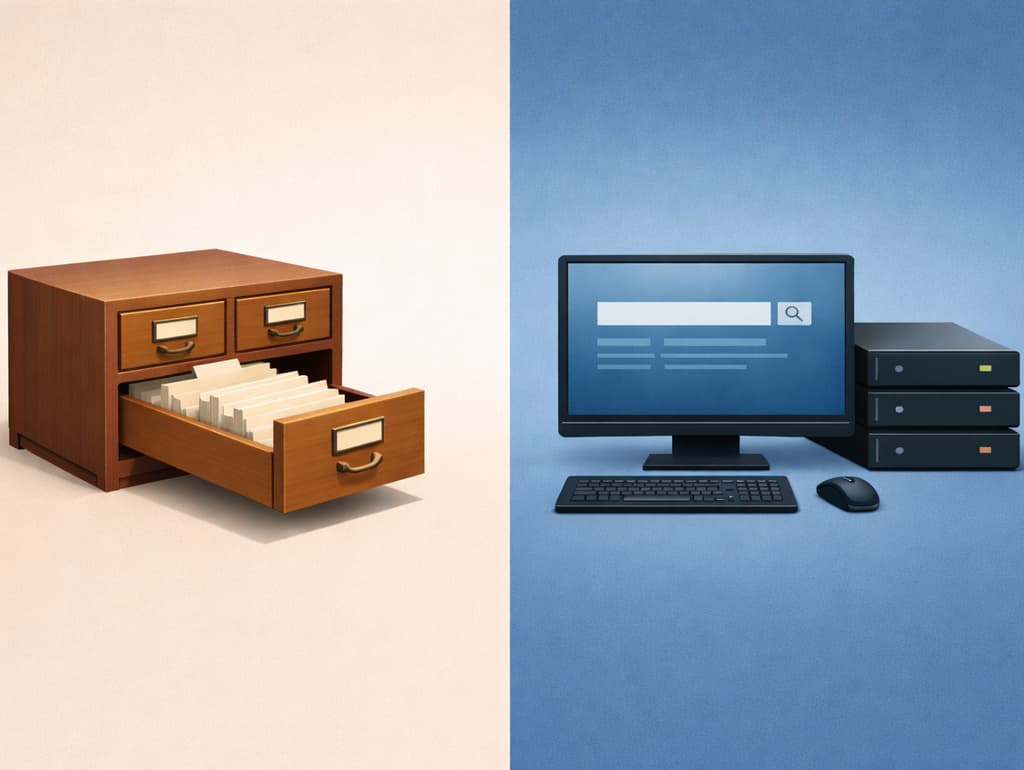
The shift from physical card catalogs to sophisticated digital databases represents one of the most significant changes in library operations. In the past, librarians meticulously maintained wooden drawers filled with index cards, each representing a single item in the collection. Patrons would spend considerable time flipping through these cards to locate materials. The introduction of computerized catalog systems in the 1980s and 1990s revolutionized this process entirely. Today, integrated library systems allow users to search millions of records instantly, place holds on materials, renew items from home, and even receive personalized recommendations based on borrowing history. These systems connect libraries across regions and countries, enabling interlibrary loans that give patrons access to collections far beyond their local branch. The efficiency gained through digitization has freed librarians to focus more on patron services, educational programming, and community outreach rather than clerical tasks.
Expanding Beyond Physical Collections
Contemporary libraries have dramatically expanded their offerings beyond traditional print materials. Digital collections now include e-books, audiobooks, streaming services, online magazines, and academic journals accessible from anywhere with internet connectivity. Many libraries provide access to specialized databases for research, language learning platforms, and even online entertainment platform subscriptions that would be cost-prohibitive for individual users. This democratization of digital content ensures that regardless of economic status, community members can access high-quality information and entertainment resources. Libraries have also become makers’ spaces, equipped with 3D printers, recording studios, video editing equipment, and other creative technologies. These resources support entrepreneurs, artists, students, and hobbyists who might otherwise lack access to professional-grade tools. By offering these diverse resources, libraries address the digital divide and promote equity in access to information and technology.
Libraries as Community Innovation Hubs
Modern libraries have repositioned themselves as essential community gathering places that foster innovation and social connection. They host coding workshops, financial literacy classes, job search assistance programs, and citizenship preparation courses. Many libraries offer early childhood literacy programs that introduce young children to reading through storytelling sessions and interactive activities. For teenagers, libraries provide safe spaces after school with homework help, gaming tournaments, and creative workshops. Senior citizens benefit from technology training sessions that help them stay connected with family and navigate digital services. Libraries have become particularly crucial in supporting digital literacy, teaching community members how to evaluate online information critically, protect their privacy, and use technology effectively. This evolution recognizes that literacy in the 21st century extends far beyond reading printed text to encompass a wide range of digital and media competencies essential for full participation in modern society.
Architectural and Spatial Redesign
The physical spaces of contemporary libraries reflect their expanded mission and services. Gone are the days when libraries consisted primarily of tall stacks and reading tables. Today’s library architecture emphasizes flexibility, collaboration, and multiple use cases. Open floor plans incorporate quiet study areas alongside collaborative workspaces where groups can meet and work together. Comfortable seating areas encourage casual reading and socializing, while private study rooms provide spaces for concentration or small group discussions. Natural lighting, engaging artwork, and café-style spaces make libraries more inviting and approachable. Many libraries have eliminated or significantly reduced traditional checkout desks in favor of self-service kiosks and roving staff members who provide assistance where needed. Children’s areas feature interactive play elements that make learning engaging and fun. These design changes signal that libraries welcome all community members and support diverse activities, from serious research to recreational reading to community organizing.
The Future of Library Services
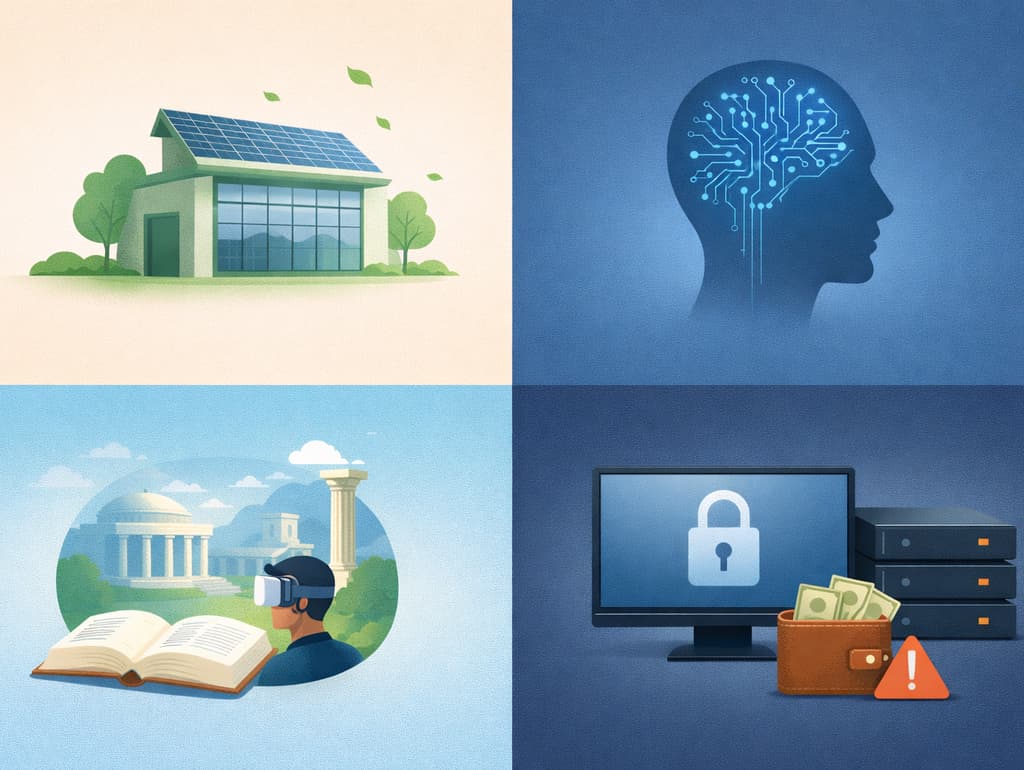
As libraries continue evolving, they face both exciting opportunities and significant challenges. Sustainability concerns are driving libraries to reduce their environmental footprint through energy-efficient buildings and digital-first approaches. Artificial intelligence and machine learning technologies promise to enhance personalization of services and improve resource discovery. Libraries are exploring virtual reality experiences that could transport patrons to historical events or distant locations. However, budget constraints remain a persistent challenge, as libraries must balance maintaining traditional services with investing in new technologies and programs. Privacy concerns also require careful attention as libraries increasingly rely on digital systems that collect user data. Despite these challenges, the fundamental mission of libraries remains constant: providing equitable access to information, supporting lifelong learning, and strengthening communities. The most successful libraries will be those that maintain this core mission while continuing to adapt their methods and services to meet the changing needs of the communities they serve.
Collaborative Partnerships and Network Building
Modern libraries increasingly recognize that collaboration amplifies their impact and extends their reach within communities. Strategic partnerships with schools, universities, museums, and local organizations create synergies that benefit all parties involved. Libraries coordinate with educational institutions to support curriculum needs and provide research resources for students at all levels. Collaborations with cultural organizations bring exhibitions, performances, and lectures to library spaces, enriching the community’s cultural landscape. Business incubators and entrepreneurship centers partner with libraries to offer mentorship programs and networking opportunities. These cooperative relationships enable libraries to leverage external expertise and resources while positioning themselves as central nodes in broader community networks dedicated to education, culture, and civic engagement.